Import Logistics
We clear incoming cargo, move it into controlled storage when needed, hold it until you are ready and then haul it to the final delivery location.
Import cargo does not have to go straight from port to site.
Projects slip. Civil work finishes late. Installation teams move. Customers postpone receipt. When that happens, rushing imported cargo to the final location can create a second problem.
We clear the cargo, move it into controlled storage, hold it until the receiving point is ready, then release and deliver it on an agreed schedule.
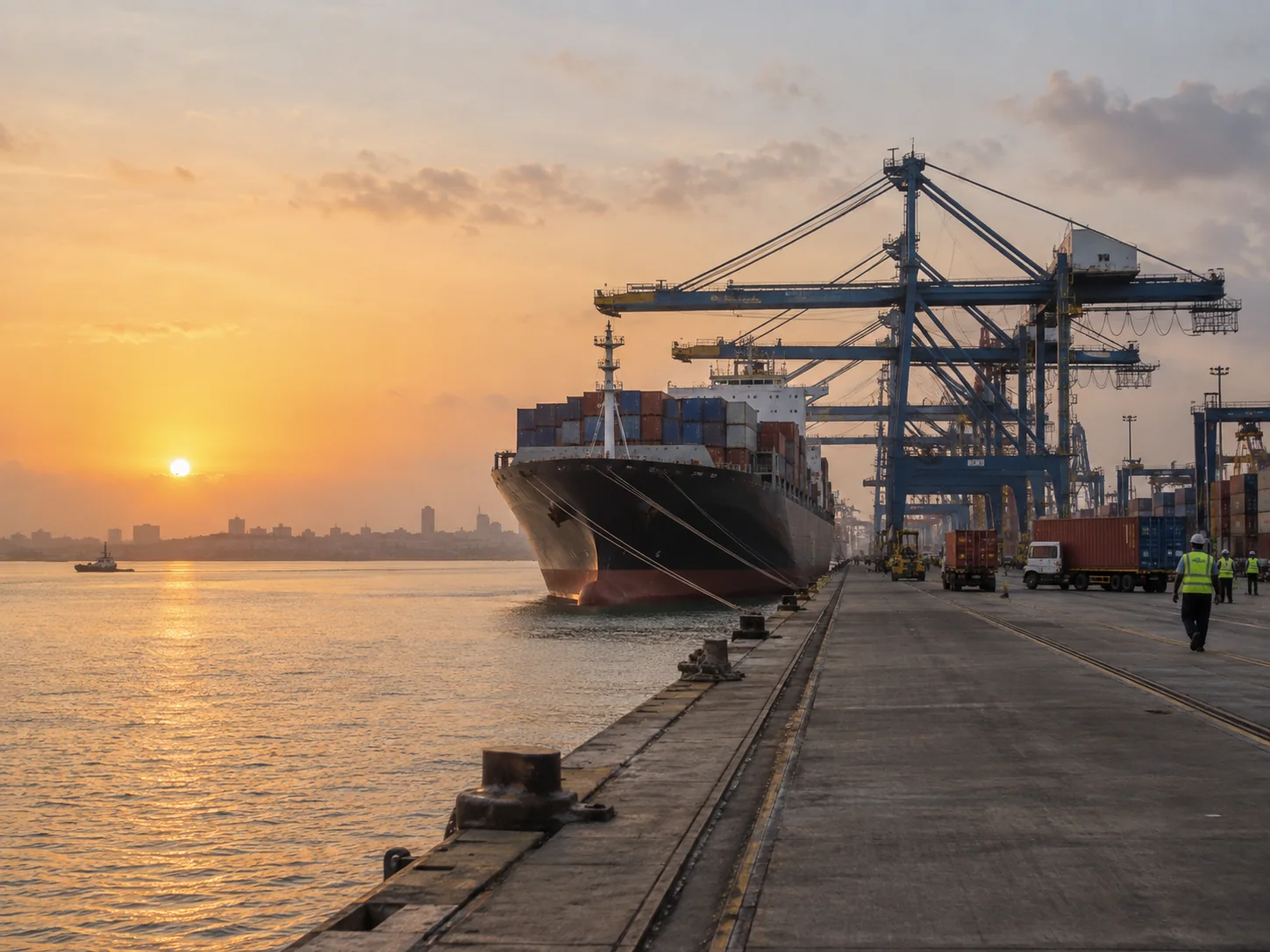
 1. ClearManage clearance and release from port, terminal or border.
 2. WarehouseHold cargo securely until your receiving point is ready.
 3. DeliverHaul to factory, mine, warehouse, project site or customer.
Use storage to control timing instead of letting timing control the cargo.
The warehouse becomes a buffer between customs release and final delivery, especially when machinery or project cargo arrives before the site is fully ready.

Machinery imports
Hold and sequence equipment arriving in several containers or from several suppliers.
Project staging
Release cargo to site in the order the erection or construction team actually needs it.

Customer delivery
Store commercial imports until the buyer or receiving warehouse is ready.
Customs handover
Keep clearance, transfer to storage and final delivery coordinated under one operating plan.
Typical inbound information
- Bill of lading / transport reference
- Port or border of arrival
- Cargo description, weight and dimensions
- Expected arrival date
- Storage requirement and expected holding period
- Final delivery location and readiness date
One coordinated inbound movement.
Clearance, storage and final delivery are planned together so changes in one leg are reflected in the rest of the movement without creating separate coordination gaps for the client.